The Full Marks Press Blog
Clear, current explanations of the AI and machine-learning concepts that carry the marks, written by practitioners.

Activation functions compared: ReLU, Sigmoid and Tanh
Activation functions introduce non-linear properties to neural networks, allowing them to learn complex patterns rather than just computing linear transforma

Case studies in AI ethics: examples to use in your next exam
Excellent exam answers in AI ethics rely on specific, real-world case studies that demonstrate algorithmic bias, privacy violations, or accountability failur

Explainability in machine learning: why black box models lose marks
Black box machine learning models lose marks in exams and fail in production because they cannot explain the internal logic behind their predictions. Without

Facial recognition technology: technical concepts and mark scheme tips
Facial recognition technology is a computer vision process that identifies or verifies a person from a digital image or video frame. It works by detecting a

Feature extraction methods: SIFT, SURF and ORB compared
SIFT, SURF and ORB are computer vision algorithms used to detect and describe local features in images so they can be matched across different viewpoints. SI

How academic librarians can evaluate new AI resources
Academic librarians evaluate new artificial intelligence resources by applying strict frameworks that measure algorithmic transparency, data privacy, trainin

How do convolutional neural networks actually work?
Convolutional neural networks (CNNs) work by sliding small grids of weights, called filters, over input data to detect local patterns like edges, textures, a

How do large language models generate text?
Large language models generate text one token at a time by calculating the probability of the most likely next word based on the preceding context. They use

How does edge detection work in computer vision?
Edge detection works by calculating the mathematical gradient of an image to identify regions where pixel intensity changes sharply. Computer vision algorith

How generative AI is changing university assessment this academic year
Generative AI is shifting university assessment away from grading the final written product and towards evaluating the student's process, critical thinking,

How to answer exam questions on deep learning architectures
To answer exam questions on deep learning architectures correctly, you must match the specific data type and problem domain to the mathematical mechanics of

How to apply computer vision algorithms to real-world exam scenarios
To apply computer vision algorithms to real-world exam scenarios, you must first identify the specific visual task and then select an appropriate neural netw

How to deploy a machine learning model: a student's guide
Deploying a machine learning model means taking a trained algorithm and making its predictions available to users or other software systems in a production e

How to discuss algorithmic bias in a university essay
To discuss algorithmic bias in a university essay, you must define it as a systematic error in a machine learning model that leads to unfair outcomes for spe

How to evaluate the environmental impact of training large AI models
To evaluate the environmental impact of training large AI models, you must calculate both the operational carbon emissions from electricity use and the embod

How to explain gradient descent in a university exam
Gradient descent is an iterative optimisation algorithm used in machine learning to find the local minimum of a differentiable cost function. It works by cal

How to plan your study schedule for January AI exams
To plan your study schedule for January AI exams, you must divide your remaining time into distinct blocks focused on theory, mathematical proofs, and algori

How to revise calculus for machine learning exams
To revise calculus for machine learning exams effectively, you must focus entirely on partial derivatives, the chain rule, and vector calculus rather than tr

How to revise natural language processing for your final year exams
To revise natural language processing for your final year exams effectively, you must focus on the mathematical foundations of vector representations, the ar

How to structure a deep learning essay for postgraduate modules
To structure a deep learning essay for a postgraduate module, you must explicitly divide your answer into problem definition, architectural justification, tr

How to structure an argument on AI ethics and privacy
To structure an argument on AI ethics and privacy in an exam, you must first identify the specific ethical framework or privacy principle at play, such as ut

How to update your AI reading list for the new academic year
To update your AI reading list for the new academic year, prioritise reading recent survey papers and foundational architecture publications over daily prepr

How to use worked examples to understand complex AI theories
To use worked examples to understand complex AI theories, you must manually calculate a single algorithm step using small, simple numbers to observe how math

How to write a standout data science project proposal for your master's degree
A standout data science project proposal clearly defines a specific research problem, details the exact dataset you will use, and outlines the machine learni

Image segmentation techniques: a revision guide for computer science students
Image segmentation is the computer vision process of partitioning a digital image into multiple distinct regions by grouping pixels that share similar attrib
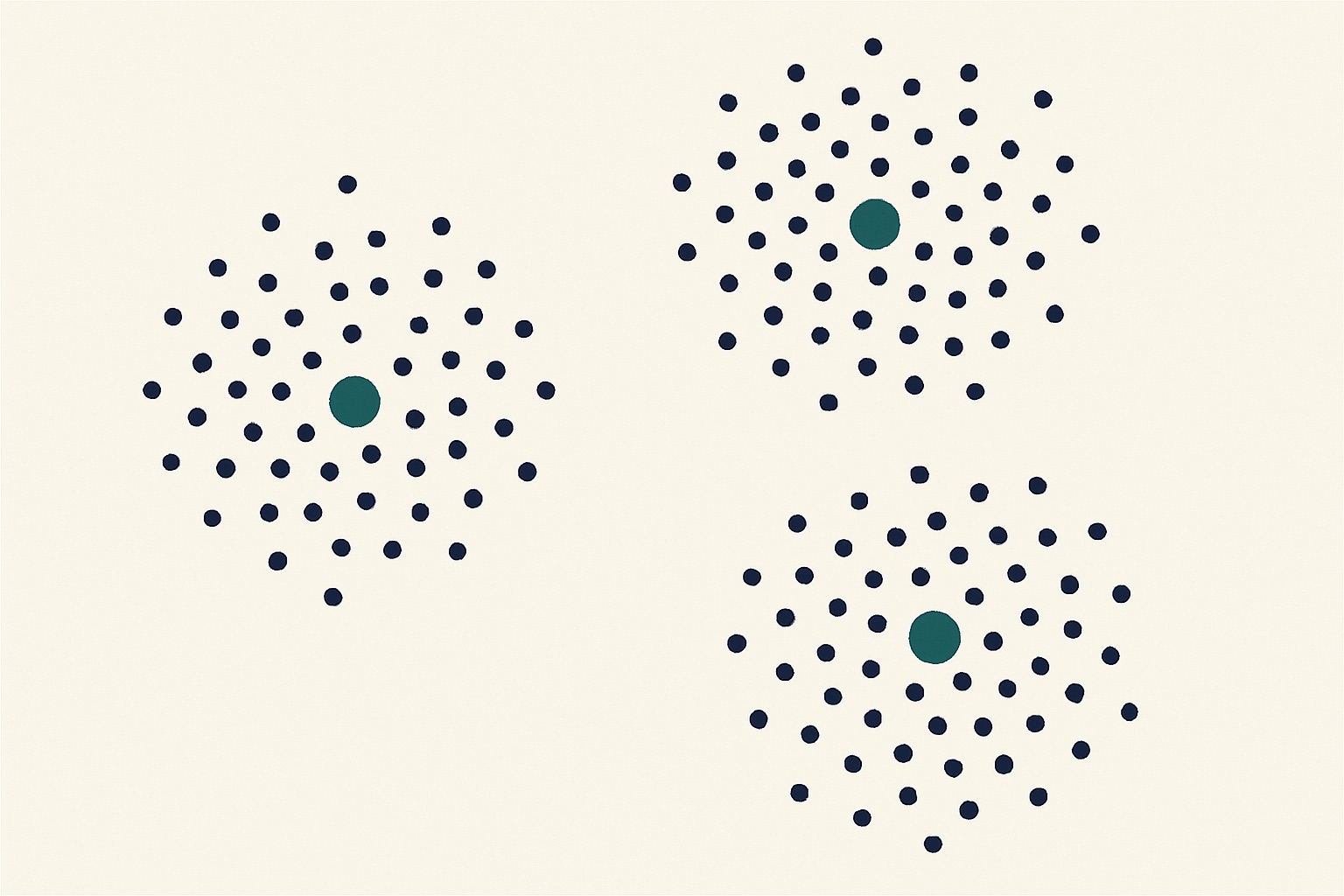
K-means clustering explained: worked examples for exam revision
K-means clustering is an unsupervised machine learning algorithm that groups unlabelled data into a pre-defined number of distinct clusters, represented by t

Matrix multiplication explained simply for AI students
Matrix multiplication is the mathematical operation of taking the rows of a first matrix and calculating the dot product with the columns of a second matrix

Overfitting vs underfitting: how to secure top marks in ML assignments
Overfitting occurs when a machine learning model memorises the training data, including its random noise, resulting in poor predictions on unseen data. Under

Python libraries for AI: which ones to focus on for your coursework
For university AI and machine learning coursework, you should focus your revision on NumPy for numerical computation, pandas for data manipulation, scikit-le

Recurrent neural networks vs feedforward networks: key exam differences
The primary difference between a recurrent neural network and a feedforward neural network is how information flows through the architecture. Feedforward net

The best revision techniques for fast-moving computer science modules
The most effective way to revise for fast-moving computer science modules is to master foundational mathematics and algorithmic logic rather than memorising

Tokenisation and lemmatisation: foundational NLP concepts to know
Tokenisation is the process of breaking raw text into smaller, manageable pieces called tokens, such as words or sub-words, so a machine learning model can p

Version control for data science projects: best practices for high grades
Version control for data science projects requires tracking not just source code, but also large datasets, model weights, and the exact environment configura

What are the best ways to revise decision trees for undergraduate exams?
The best way to revise decision trees for undergraduate exams is to master the mathematical formulas for splitting criteria, specifically Entropy and Gini im

What are the common pitfalls when training neural networks?
The most common pitfalls when training neural networks are overfitting to the training data, choosing an inappropriate learning rate, and encountering vanish

What are the core principles of responsible AI?
The core principles of responsible AI are fairness, transparency, privacy, and accountability. Together, these principles ensure that machine learning models

What does the EU AI Act mean for future AI developers?
The EU AI Act means future AI developers must adopt a risk-based legal framework that dictates how systems are designed, documented, and deployed. Developers
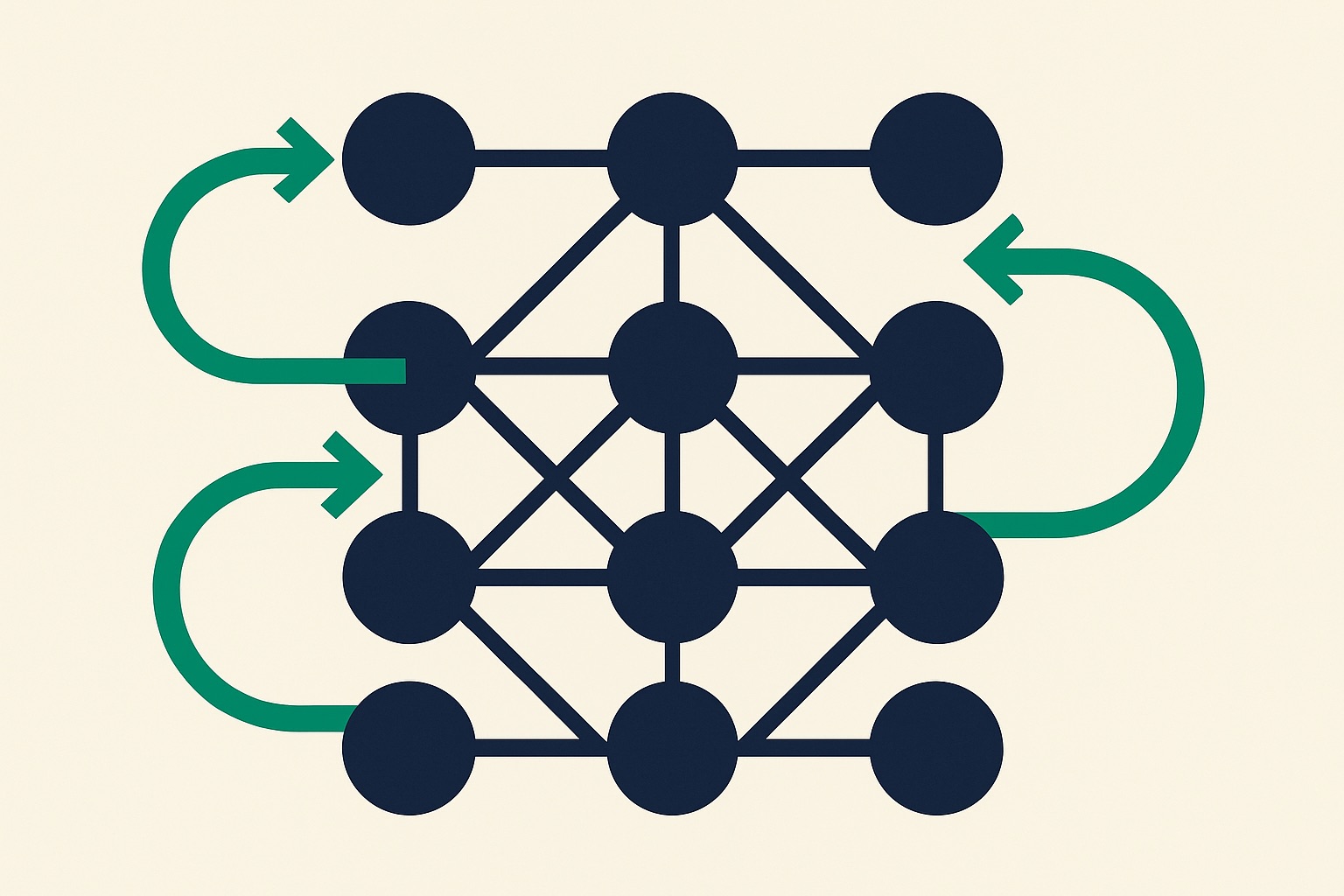
What is backpropagation and how do you calculate it in an exam?
Backpropagation is the algorithm used to train neural networks by calculating the gradient of the loss function with respect to each individual weight and bi

What is MLOps and why are universities teaching it now?
Machine Learning Operations (MLOps) is a set of engineering practices that unifies machine learning system development with software operations to ensure mod

What is object detection and how do you explain it clearly?
Object detection is a computer vision technique that locates and classifies multiple objects within a single image or video frame. It goes beyond simple imag

What is the attention mechanism in deep learning?
The attention mechanism in deep learning is a computational technique that allows a neural network to dynamically focus on the most relevant parts of an inpu

What is the difference between supervised and unsupervised learning?
The main difference between supervised and unsupervised learning lies in the data used to train the algorithms. Supervised learning uses labelled datasets wh

What is the transformer architecture in NLP?
The transformer architecture in natural language processing is a neural network model that relies entirely on self-attention mechanisms to weigh the importan
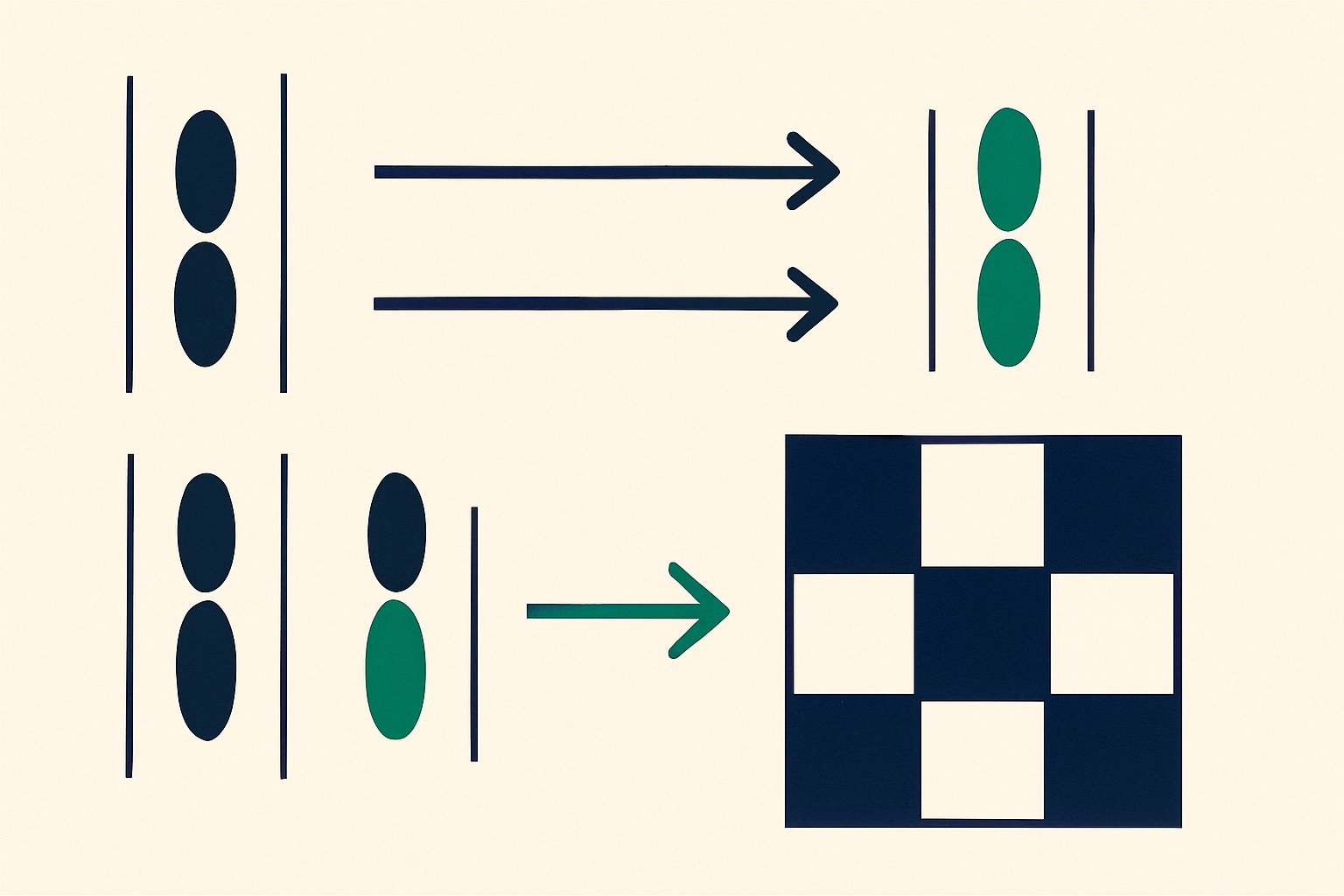
What linear algebra concepts do you actually need for AI modules?
To succeed in an artificial intelligence or machine learning module, you need a firm grasp of vectors and matrices for data representation, dot products for

What makes a good AI exam question? A guide for lecturers
A good AI exam question tests a student's ability to diagnose algorithmic behaviour, justify design choices, and apply theoretical constraints to unseen data

Why do ensemble methods perform better? An exam-focused breakdown
Ensemble methods perform better because they combine multiple diverse base models to reduce the overall predictive error rate. By aggregating individual pred

Why is data augmentation important for computer vision tasks?
Data augmentation is important for computer vision tasks because it artificially expands the size and diversity of a training dataset without the cost of col

Why traditional textbooks are falling behind university AI courses
Traditional textbooks take up to three years to write, peer-review, and print, which means they routinely teach outdated machine learning architectures that
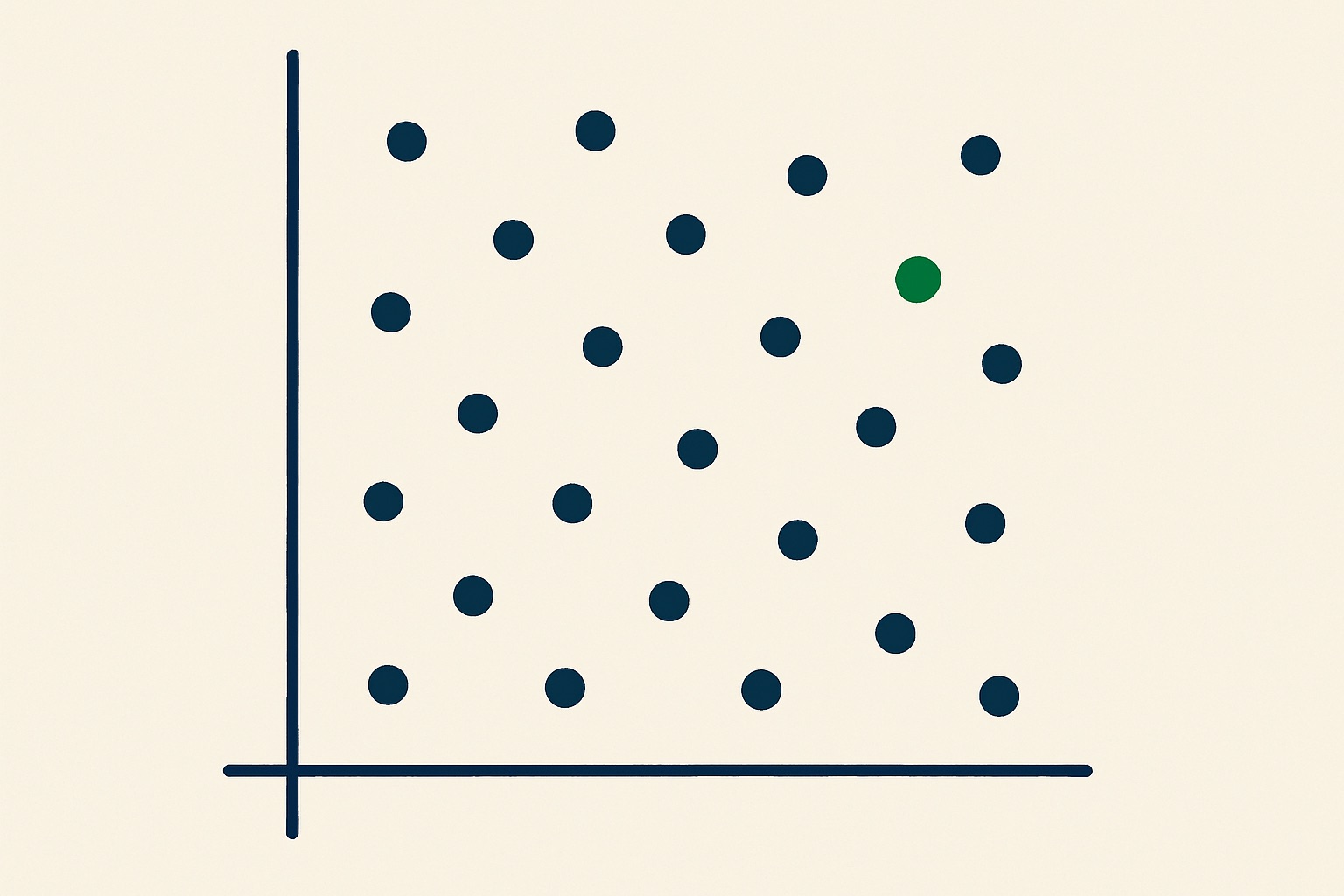
Word embeddings explained: Word2Vec and GloVe for university students
Word embeddings are dense, low-dimensional vector representations of words where words with similar meanings are placed close together in a mathematical spac
Frequently asked questions
What is the The Full Marks Press Blog?
Clear, current explanations of the AI and machine-learning concepts that carry the marks, written by practitioners.
Who writes the Full Marks Press blog?
Every article is written by Sotiris Spyrou, published by Full Marks Press.
Are the articles free to read?
Yes. Every article is free, and you can request a free review copy of the related guide at https://fullmarkspress.com/free.